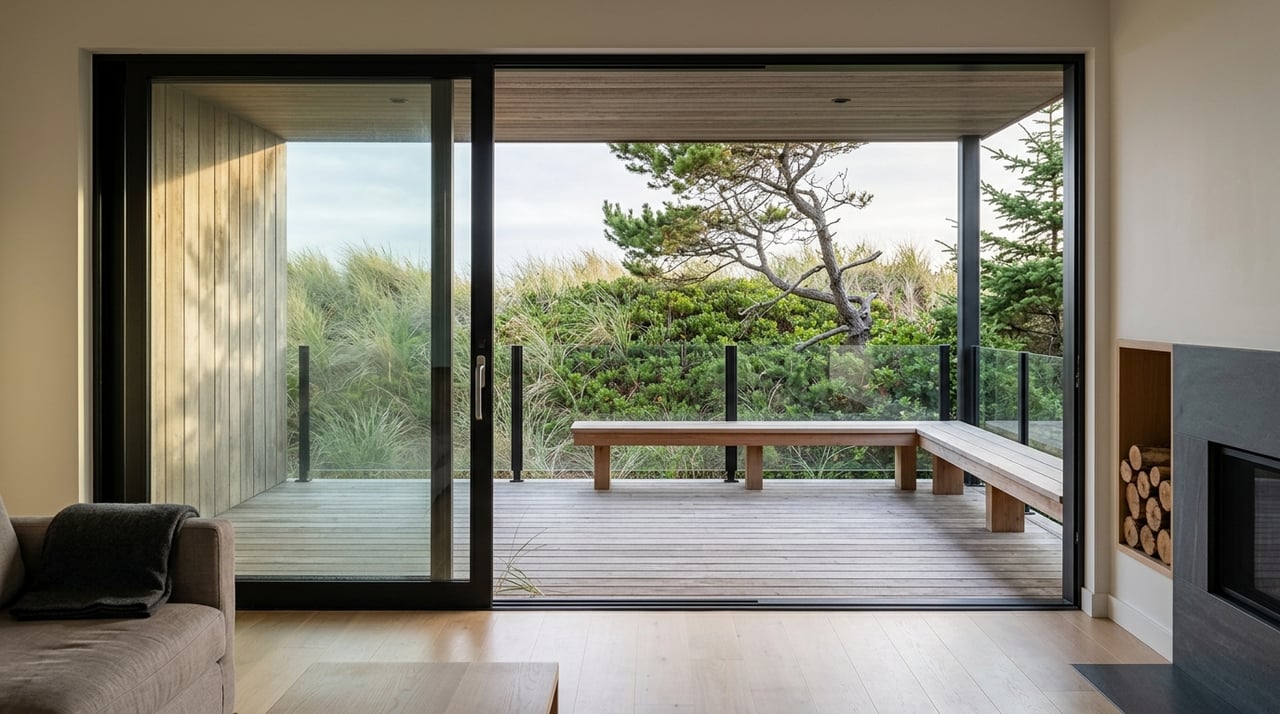
Seaside Oregon Neighborhoods Overview for Homebuyers
April 23, 2026
April 23, 2026
Wondering which part of Seaside fits your lifestyle best? In a compact coastal city like Seaside, a few blocks can make a big difference in how a home feels day to day. If you are weighing beach access, visitor activity, privacy, or long-term practicality, this guide will help you compare Seaside’s main micro-areas and narrow down what makes the most sense for your next home. Let’s dive in.
Seaside is best understood as a collection of micro-areas rather than a city of widely used formal neighborhood names. According to the City of Seaside community overview, the city covers about 3.9 square miles of land at the mouth of the Necanicum River, with the beachfront corridor, downtown core, river areas, and inland pockets all close together.
That small size is helpful for buyers, but it also means the feel can change quickly from block to block. In Seaside, your experience often comes down to three practical factors: how close you are to the beach, whether you are near the river or downtown activity, and how far you are from the visitor-heavy core.
For many buyers, the oceanfront is the first place that comes to mind. The city’s comprehensive plan describes this stretch as Seaside’s signature public edge, with the Promenade running from 12th Avenue to Avenue U and the beach to the west.
This area offers the classic resort-town experience. You are closest to the sand, likely to enjoy ocean views in the right location, and within easy reach of one of Seaside’s most recognizable public spaces.
If your ideal coastal home means stepping out for a beach walk anytime you want, this area stands out. The Promenade is a wide paved walkway, and the city notes that privately owned vehicles and horses are prohibited on the beach, which makes the oceanfront lifestyle feel more pedestrian-oriented.
At the same time, this is also one of the busiest parts of town. The city’s planning materials say much of the beachfront development is devoted to tourist housing and visitor amusements, so you should expect more seasonal traffic, more parking pressure, and more activity than you may find farther inland.
Housing near the oceanfront is more mixed than many buyers expect. Based on the city’s land-use descriptions and historic resource context, this area can include beach houses, condos, lodging-oriented properties, and some older structures rather than a consistent pattern of detached homes on quiet residential streets.
That mix can be a plus if you want flexibility in property type. It can also mean you need to look closely at each block and each property rather than assume the same feel throughout the area.
This part of Seaside may be a strong match if you want:
It may be less ideal if you want:
Seaside’s downtown and river-adjacent blocks offer a different kind of lifestyle. The comprehensive plan explains that the Necanicum River divides Broadway into two distinct business areas, with a west-side resort-commercial district and an east-side central-commercial district.
That split gives downtown Seaside a unique rhythm. You are near shops, civic spaces, parks, and river views, but the setting can feel more mixed-use and activity-oriented than purely residential.
This area is a practical choice if you want walkable access to amenities. The city highlights community assets such as restaurants, the aquarium, the library, the museum, parks, and event spaces, and Quatat Park sits downtown on the river near the Convention Center and Broadway activity.
If you like being able to grab coffee, stroll by the river, or enjoy being near the center of town, downtown and nearby blocks can be appealing. For some buyers, that convenience matters more than direct beach frontage.
River-adjacent homes can offer a very different experience from oceanfront properties. Instead of broad beach views and direct sand access, the appeal here is often the water setting, downtown proximity, and quick access to civic and commercial amenities.
In general, oceanfront areas tend to have more visitor concentration tied to the beach and Promenade. River-adjacent blocks may still be active, especially near Broadway, but the feel is shaped more by downtown circulation and mixed-use surroundings.
Downtown and river-adjacent areas may suit you if you want:
They may be less ideal if you want:
If you want beach access but hope to avoid the busiest part of town, South Seaside deserves a close look. The city’s parks map and listings identify Seltzer Park in the Cove and Cartwright Park in South Seaside, which supports the idea that this area has a more local residential character than the heart of the downtown and Promenade corridor.
For many buyers, this part of Seaside feels like a middle ground. You are still in a coastal setting, but you may be a bit removed from the most visitor-focused blocks.
South Seaside can make sense if you want access to the beach without living in the center of the resort-heavy corridor. Based on the city’s park locations and beach-access pattern, this area often appeals to buyers who want a balance between convenience and a calmer day-to-day feel.
That balance can be especially attractive for full-time residents, second-home buyers, or anyone who wants coastal living with a little more breathing room.
South Seaside may be a good fit if you want:
It may be less ideal if you want:
If your top priority is a more traditional residential environment, inland and east-side pockets may be the best place to focus. The city’s comprehensive plan says future growth will most likely occur in upland areas in the south because the ocean, river flood hazards, and the built-out nature of town constrain expansion elsewhere.
That matters because it helps explain where you may find more year-round residential patterns. It also aligns with the city’s zoning structure, where residential land is not concentrated only along the beach.
A 2025 buildable lands inventory draft showed R2 as the largest residential land category, followed by R1 and SR, with RR and RC much smaller. While every property is unique, that suggests much of Seaside’s residential supply sits inland rather than directly on the beach.
In practice, inland pockets are often where buyers look for easier parking, less visitor traffic, and a more familiar neighborhood rhythm. The trade-off is that you may give up some immediate beach walkability.
Inland and east-side pockets may work well if you want:
They may be less ideal if you want:
In Seaside, zoning helps explain why one block can feel very different from the next. The city lists zoning categories that include R1, R2, R3, RR, RC, and SR, and those categories shape whether an area feels more residential, resort-oriented, or mixed in use.
For buyers, the key takeaway is simple: do not judge a property by distance to the beach alone. A home’s zoning, nearby uses, and street context can affect noise, privacy, development patterns, and future flexibility.
If you are thinking about renting out your home part time, this is one of the most important topics to research early. Seaside requires a short-term-rental business license, and not all homes qualify.
The city also notes that oceanfront and RR-zone properties have broader short-term-rental flexibility than inland R2 and R3 areas under current policy. The city’s VRD ordinance amendment information explains that oceanfront and RR properties are allowed higher VRD density than many inland residential areas.
That means if rental use is part of your plan, you should treat location and zoning as major decision points. A home that looks perfect on paper may not support your intended use.
No matter which part of Seaside you prefer, hazard planning should be part of your home search. The city’s Emergency Preparedness page says Seaside has five evacuation routes to high ground and directs buyers to tsunami maps and county web maps for FEMA floodplain and zoning layers.
This is especially important near the beach and river, but it matters citywide. When you compare properties, it is smart to review how location may affect preparedness, access, and your comfort level with the setting.
If you are trying to narrow your search, start by ranking your top priorities. In Seaside, the right fit usually comes down to whether you care most about walkability to the beach, everyday quiet, downtown convenience, or potential rental flexibility.
Here is a simple way to think about it:
Because Seaside is compact, seeing these areas in person can make your choice much easier. Even a short tour can show you how quickly traffic patterns, parking, noise levels, and overall feel can shift from one part of town to another.
When you are ready to compare homes in Seaside with local guidance and a clear plan, Jenny Frank can help you sort through the details, focus on the right micro-areas, and move forward with confidence.
Stay up to date on the latest real estate trends.
Whether you’re buying or selling along the Oregon Coast, Jenny Frank provides expert guidance, local insight, and personalized service every step of the way.