Moving to Astoria, Oregon: A Smart Relocation Guide
May 7, 2026
May 7, 2026
Thinking about a move to Astoria? If you are drawn to coastal scenery, historic character, and a small-city pace, Astoria can feel like a very specific kind of fit. The key is understanding how the city’s hills, older housing stock, waterfront layout, and local transportation shape day-to-day life. Let’s dive in.
Astoria is a compact coastal city with about 9,906 residents spread across 6.14 square miles. It offers a mix of owners and renters, with a 53.6% owner-occupancy rate, a median owner value of $444,800, and median gross rent of $1,239. Median household income is $68,007, and 21.3% of residents are age 65 or older.
Those numbers point to a market that feels established rather than sprawling. You are not moving into a large suburban grid with endless new development. Instead, you are looking at a smaller city where location, topography, and housing style can make one block feel very different from the next.
City planning also describes Astoria as the area’s commercial, industrial, tourist, and cultural center. That matters if you want a place with year-round activity, a recognizable downtown, and access to civic and cultural amenities without giving up the North Oregon Coast lifestyle.
Astoria’s land-use planning emphasizes a compact urban form, stronger downtown and waterfront areas, and protection of residential and historic neighborhood character. In practical terms, that means the city has a more layered, built-in feel than many newer communities.
Downtown Astoria serves as the central business district and regional commercial and governmental center. Planning materials place it roughly between 5th Street and 16th Street, from the Columbia River pierhead line to Exchange Street. Much of this area is already heavily developed, and Marine Drive and Commercial carry a large share of U.S. 30 traffic through the core.
If you are relocating from a less dense area, this is useful context. Astoria is compact, and some of its most convenient areas are also the most active and mixed-use. That can be a plus if you value being close to services, events, and the waterfront.
One of Astoria’s strongest draws is its historic identity. The city’s preservation plan reports 49 individually listed National Register resources and 39 local landmarks. It also identifies three National Register historic districts: Downtown, Shively-McClure, and Uniontown-Alameda.
Other inventoried areas include Hobson-Flavel, Uppertown-Adair, Alderbrook, and South Slope. The Central Residential Area is identified as the city’s oldest neighborhood. For you as a buyer, this means Astoria’s sense of place is not just marketing language. It is reflected in the city’s built environment and long-standing neighborhood patterns.
That historic depth often shows up in the streetscape, home design, and overall feel of the city. If you want a home with personality and a neighborhood with visual texture, Astoria stands out on the coast.
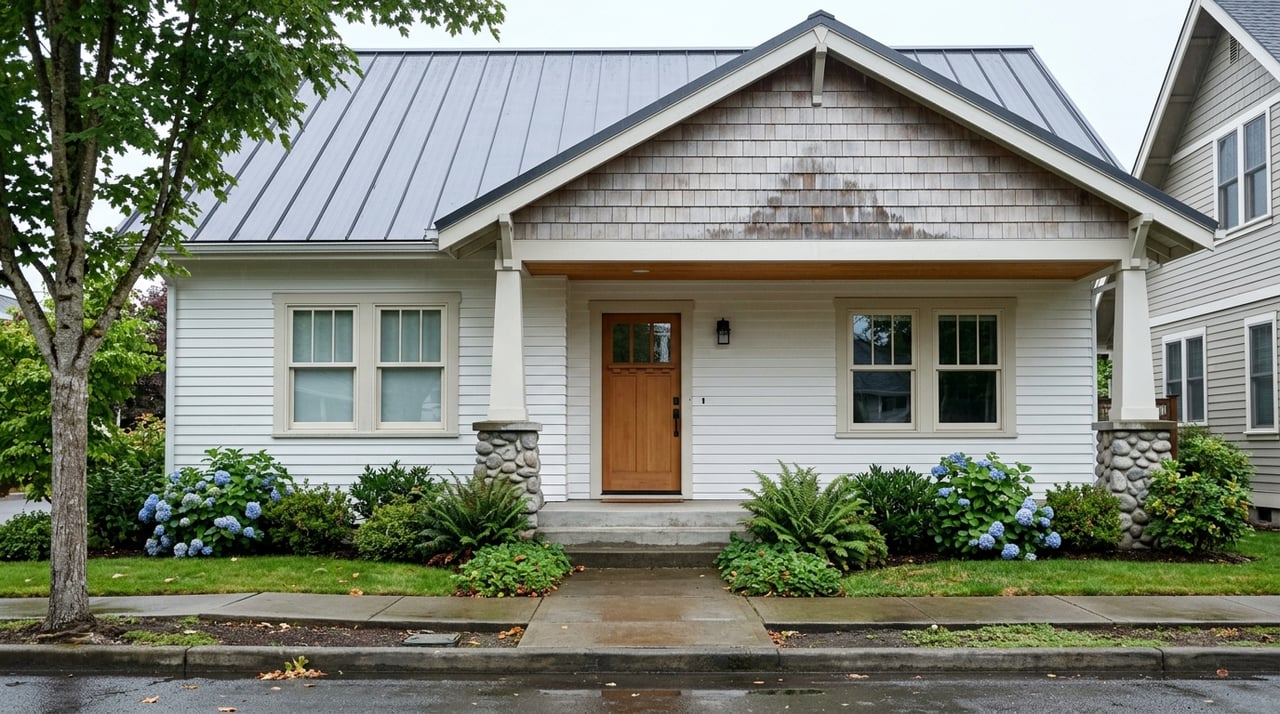
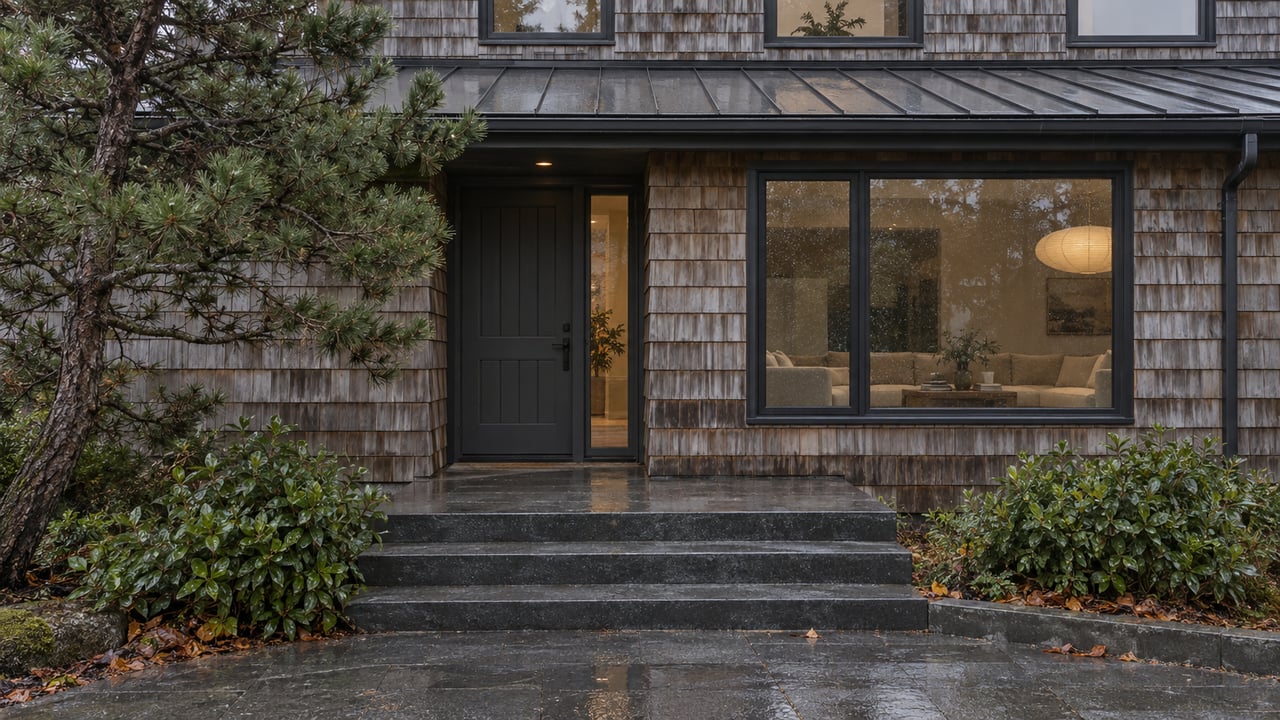
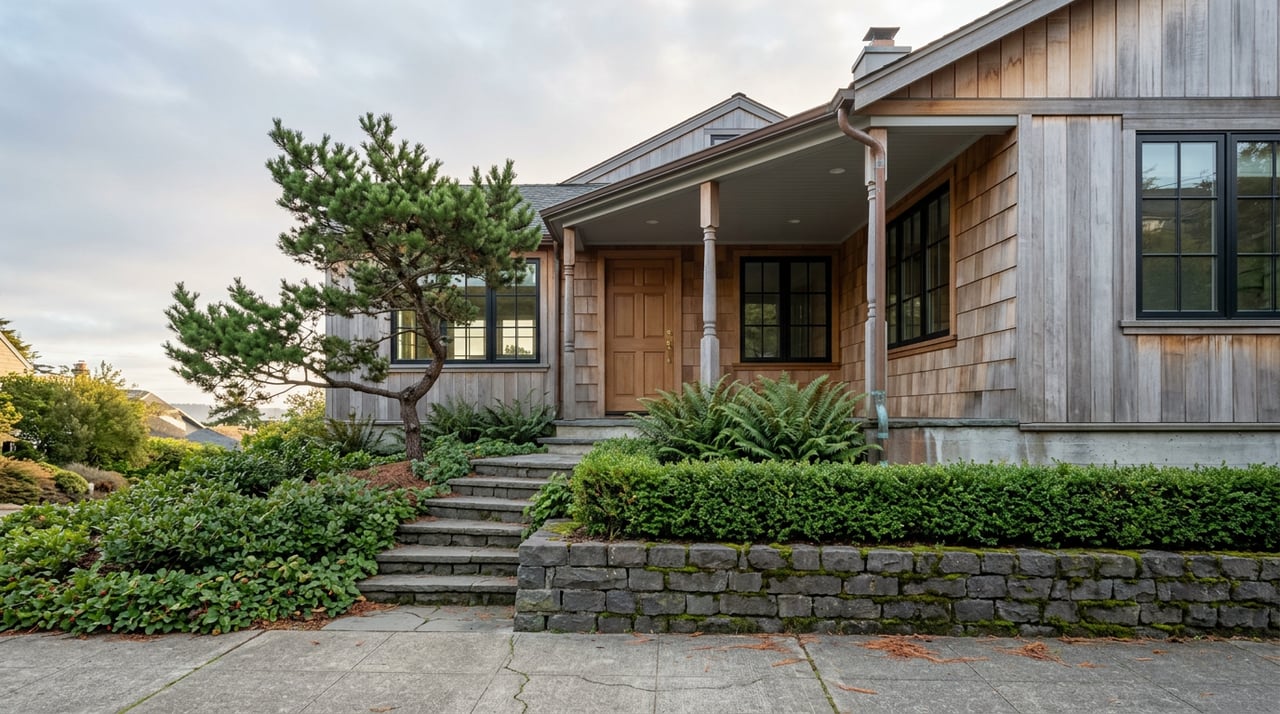
Astoria’s residential pattern includes high-style Victorian houses above the business district, vernacular Victorian homes in fringe neighborhoods such as Uniontown, Uppertown, and Alderbrook, and Craftsman homes in South Slope. Additional documented styles include Queen Anne, Tudor, Minimal Traditional, and contemporary homes.
That variety gives you more than one version of Astoria living. Some homes lean deeply historic, while others offer simpler forms or more updated layouts. In many cases, older hillside neighborhoods carry the city’s strongest architectural identity, while downtown-adjacent areas tend to feel more compact and mixed-use.
If you are relocating, it helps to think about home style and setting together. A classic older home may offer charm and views, but it may also come with steeper lots, more stairs, or a longer maintenance list than a newer or more recently updated property.
Astoria’s waterfront is central to the city’s identity. City waterfront materials describe it as an anchor of Astoria’s economic and cultural life, with views of the Columbia River mouth, the Astoria-Megler Bridge, the river channel, marina activity, wharves, and surrounding hills.
For many relocation buyers, that waterfront presence is part of the appeal. It gives the city an active visual connection to the river and creates a backdrop that feels distinctly different from inland communities.
The River Walk is another major lifestyle feature. City parks materials describe it as a scenic multi-use waterfront trail, with one inventory measuring it at 6.4 miles from Smith Point to Alderbrook Natural Area. A later city council packet noted River Trail and River Walk construction extending from Smith Point to 53rd Street.
If outdoor access matters to you, Astoria offers more than one option. City planning notes the area is surrounded by state parks, beaches, forest lands, wildlife refuges, and water areas. That gives you easy access to recreation while still living in a city with daily services.
Downtown concentrates many civic and cultural uses, including the county courthouse, post office, museums, performing arts center, and library. For relocation buyers, this is one of the most useful things to know about Astoria.
The most walkable part of town is also the area most likely to place errands, services, and events close together. If you want a lifestyle where you can spend less time driving for every small task, downtown proximity may be worth a closer look.
Of course, convenience is not just about distance on a map. In Astoria, hills, street patterns, and property access can affect how walkable a home feels in real life. A local home search should take all of that into account.
Astoria is a road-connected coastal hub. The Astoria-Megler Bridge on U.S. 101 links Oregon to Washington, and it carries about 9,225 vehicles per day on average. ODOT also reports roughly 20,268 vehicles per day on U.S. 30 near the bridge on-ramp, including 1,439 trucks.
That traffic context matters if you commute, travel frequently, or simply want to understand how movement through the city works. ODOT also has an active bridge-repair project in design, with construction planned for 2027 through 2028.
Transit is broader than many buyers expect. NW Connector says the regional network links Astoria with the Oregon Coast and the Willamette Valley. Current Sunset Empire Transportation District routes include 10 Astoria, 101 Astoria-Seaside, 15 Warrenton-Hammond, 20 Cannon Beach-Seaside, and Pacific Connector.
Route 10 runs Monday through Friday all year with a flat $1 fare. The system also lists Lower Columbia Connector intercity service between Astoria and Portland. If you are relocating without wanting to rely entirely on a car, that network is worth exploring.
Astoria’s housing decisions are shaped by topography and coastal hazards. The city’s buildable-lands inventory says residential analysis must account for wetlands, slope hazards, and floodplains. It also notes that some hillside areas have steep slopes and limited access.
That means location research is not just about finding a pretty street. You also want to understand site conditions, elevation, approach, and how the property functions during wet weather and throughout the year.
For flood due diligence, FEMA’s Flood Map Service Center is the official source for flood-hazard maps. For tsunami planning, Clatsop County points residents to official tsunami information, and Oregon DOGAMI provides Astoria tsunami inundation and evacuation materials.
Because Astoria has many older homes and a hilly coastal setting, it is smart to budget time for inspections and maintenance planning. Drainage, foundation, roof, siding, and access deserve close attention, especially if you are buying from out of town and cannot evaluate every detail in person.
Beyond purchase price, relocation buyers should understand a few local ownership basics. Clatsop County collects property taxes on behalf of local taxing districts. The county’s payment page lists installment due dates of Nov. 15, Feb. 15, and May 15.
There are also discounts available for early payment in full or in part by Nov. 15. If you are building a relocation budget, it helps to account for tax timing along with inspections, insurance, moving costs, and likely maintenance reserves for an older coastal home.
That is especially important if you are comparing Astoria to a newer inland market. The monthly cost of ownership can look different when age, weather exposure, and site conditions all play a larger role.
Astoria often fits buyers who want coastal scenery, a small-city pace, and strong historic character. It can be especially appealing if you enjoy a city with a true downtown, waterfront access, and a housing stock that feels distinctive rather than uniform.
At the same time, Astoria asks for some flexibility. You may be balancing charm with maintenance, views with hills, and location appeal with hazard and access due diligence. For many buyers, that tradeoff is exactly what gives Astoria its appeal.
If you are relocating from elsewhere in Oregon, from Portland, or from out of state, having local guidance can make the process much easier. A clear understanding of micro-locations, home condition, and day-to-day livability helps you buy with more confidence and fewer surprises.
If you are considering a move to Astoria, Jenny Frank offers the kind of calm, local guidance that can make your search feel much more manageable. Whether you are buying in person or from a distance, she can help you evaluate neighborhoods, narrow your options, and move forward with clarity.
Stay up to date on the latest real estate trends.

Whether you’re buying or selling along the Oregon Coast, Jenny Frank provides expert guidance, local insight, and personalized service every step of the way.