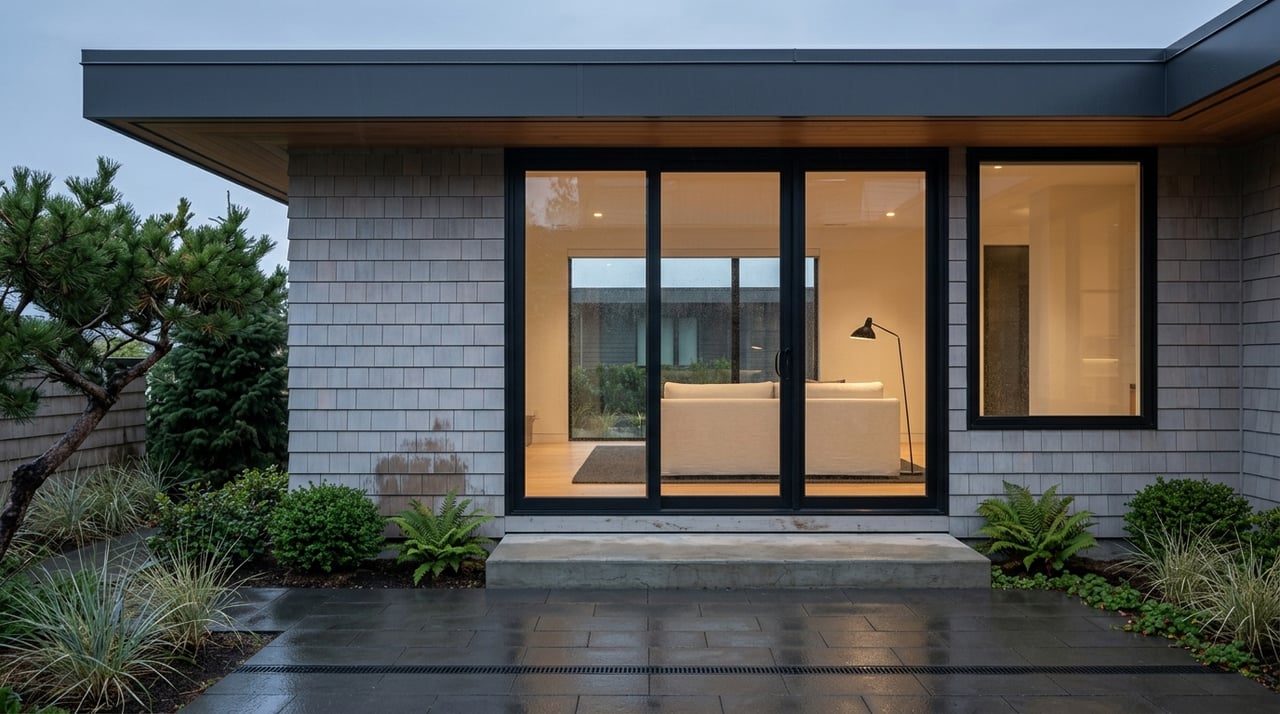
Deciding When To Sell Your Seaside Vacation Home
July 2, 2026
July 2, 2026
Are you wondering if now is the right time to let go of your Seaside vacation home, or if you should hold on a little longer? That question can feel especially complicated on the North Oregon Coast, where a home is often tied to family memories, weekend routines, and long-term financial goals all at once. If you own a second home in Seaside, you need more than a gut feeling to make a smart decision. You need a clear look at your personal goals, the local market, and the financial details that can shape your outcome. Let’s dive in.
In Seaside, vacation-home decisions often come with more emotion than a typical home sale. The city is both a residential community and a tourist destination, and the city’s March 2026 draft comprehensive plan notes that 77% of vacant housing units are used part time for seasonal, recreational, or occasional use based on 2021 ACS data.
That matters because many owners are not just selling real estate. You may be deciding what to do with a place that has been part of your lifestyle for years. In a market like Seaside, it helps to balance the emotional side of ownership with the practical side of timing, pricing, and preparation.
Census QuickFacts also shows Seaside’s owner-occupied housing rate at 48.0%, compared with 63.2% for Clatsop County overall. That is one more sign that Seaside has a meaningful second-home and part-time ownership presence, which can shape buyer demand and seller expectations.
Before you focus on price trends, start with your own goals. The best time to sell is not always about chasing the market high. It is often about whether the home still fits your life the way it once did.
You might ask yourself a few honest questions:
If your answers point toward less use, more hassle, or changing priorities, that may be your clearest sign. A vacation home should still serve a purpose in your life, whether that purpose is personal, financial, or both.
Seaside’s current market sends a mixed but useful message. Public data shows a market that is active, but not one where every seller can expect the same outcome without careful pricing and positioning.
Zillow reports an average Seaside home value of $470,308 as of May 31, 2026, down 1.9% from a year earlier. It also shows 64 homes in for-sale inventory and a median list price of $527,000.
Redfin reports a median sale price of $524,686, down 3.0% year over year. Over the three months ending in May 2026, homes sold after 21 days on average, and 29 homes sold in May.
Realtor.com reports a median listing price of $574,999, 130 active listings, a median of 59 days on market, and a 99% sale-to-list ratio. It classifies Seaside as a buyer’s market in May 2026.
Those numbers do not perfectly match because they measure different things. Zillow tracks home values, Redfin summarizes recent closed sales, and Realtor.com reflects listing-side conditions.
For you as a seller, the takeaway is simple: online estimates are helpful for direction, but they are not a pricing strategy. In Seaside, where public estimates vary widely, a local comparative market analysis matters much more than any single automated number.
That is especially true for vacation properties. Condition, proximity to the beach or attractions, layout, updates, parking, and occupancy history can all affect how buyers respond to your home compared with another property that looks similar on paper.
A good time to sell does not always mean a perfect market. It can simply mean your personal timing and the market conditions line up well enough to support your goals.
Here are a few signs that selling may make sense now:
With Seaside showing active inventory and buyer-sensitive conditions, realistic expectations are important. Sellers who prepare well and price carefully may still be in a strong position, especially when their home matches what buyers are looking for.
Sometimes the right move is to pause and plan. If you are still getting meaningful use from the home and do not need to sell soon, waiting may be worth considering.
That may be true if:
Waiting does not mean doing nothing. It may mean using this period to get organized, improve the property, and build a plan so you can act confidently later.
For second-home owners, the financial side of the sale can be just as important as timing. Before you list, it helps to review taxes, records, and closing logistics early.
Oregon property tax statements are mailed by October 25 each year. Taxes can be paid in one payment or in three installments due November 15, February 15, and May 15. If paid in full by November 15, there is a 3% discount.
The Oregon Department of Revenue also notes that ownership changes after July 1 may not appear on the fall statement yet. Because of that, it is smart to confirm prorations and payoff timing with Clatsop County or your closing agent as part of your sale planning.
A common mistake is assuming the tax treatment for a vacation home will be the same as a primary residence. According to IRS Publication 523, the home-sale exclusion generally applies only to a principal residence.
That exclusion is generally up to $250,000 for many single filers and $500,000 for married couples filing jointly. But the IRS says that use as a second home or vacation home after 2008 does not generally qualify for that exclusion.
If your Seaside property was also used for rental or business purposes, depreciation and other nonqualified-use rules can affect taxable gain. That is one reason it is wise to review your ownership and use history before the home hits the market.
Your records can make a real difference when you calculate gain. The IRS says improvements that add value, prolong useful life, or adapt the home to new uses can be included in basis, while routine repairs and maintenance usually cannot.
That means receipts for a remodel, new roof, upgraded windows, or major system improvements may matter. Smaller maintenance items usually do not count the same way.
If the home was inherited or received as a gift, basis rules may be different. In that case, it is especially important to gather documents early so you can understand the numbers before you decide when to sell.
If you do decide to move forward, preparation can have a major effect on your result. In Seaside, where the market appears more balanced and buyers have options, presentation and pricing carry extra weight.
A smart selling strategy often includes:
This kind of strategy matters because Seaside is not a one-size-fits-all market. A well-kept condo, a family beach house, and a lightly used second home may all attract different buyers and perform differently depending on condition and price.
When you own a vacation home on the coast, deciding when to sell is rarely just a market question. It is a life question, a money question, and often a family question too.
That is why a personalized review is usually more helpful than trying to force a yes-or-no answer from headlines or national trends. Seaside’s public numbers show activity, but they also show variation. Your property deserves a closer look at value, timing, and buyer fit.
If you are weighing whether to sell your Seaside vacation home, a local strategy conversation can help you sort through the emotion and the numbers with more clarity. When you are ready, Jenny Frank can help you evaluate your property, understand today’s Seaside market, and build a selling plan that fits your goals.
Stay up to date on the latest real estate trends.

Whether you’re buying or selling along the Oregon Coast, Jenny Frank provides expert guidance, local insight, and personalized service every step of the way.