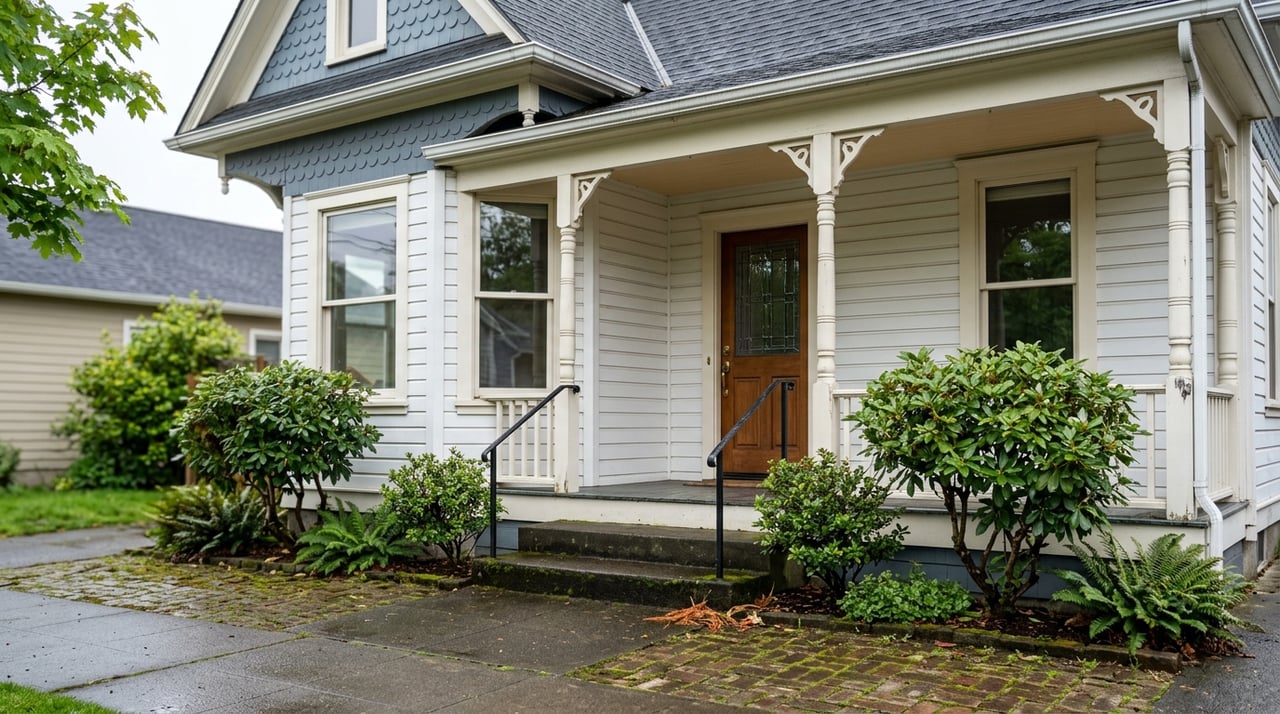
Buying a Historic Home in Astoria: What Buyers Should Know
June 11, 2026
June 11, 2026
Buying a historic home in Astoria can feel like falling in love at first sight. The trim, windows, porches, and hillside settings often have a kind of character that newer homes simply cannot copy. But before you write an offer, it helps to understand how historic status, property condition, and local review can affect your plans. If you know what to look for early, you can move forward with more confidence. Let’s dive in.
Astoria’s older homes are closely tied to the city’s history as an early port community. According to the city’s preservation plan, you will find high-style Victorian houses above downtown, vernacular Victorian homes in Uniontown, Uppertown, and Alderbrook, and many South Slope homes from 1910 to 1930 that are largely Craftsman in style.
Astoria also includes several National Register historic districts, including Downtown, Shively-McClure, and Uniontown-Alameda. For buyers, that often means a rare mix of architecture, original details, and a strong sense of place that makes these homes especially appealing.
This is one of the biggest things to understand before buying. A home may be part of a National Register district or individually listed, and that can affect what happens if you want to change the exterior.
At the federal level, National Register listing does not place restrictions or requirements on a private property owner. In Astoria, though, city code is more active. National Register-listed resources are automatically treated as local historic landmarks, and exterior changes that affect a landmark’s appearance generally require city approval through a Certificate of Appropriateness unless an exemption applies.
That means historic status is not just a label. It can shape how you maintain, repair, or update the outside of the home.
Astoria’s code has three review paths for historic properties. Smaller, compatible changes may be handled administratively, while larger exterior alterations can require review by the Historic Landmarks Commission, along with public notice and appeal rights.
If you are buying with plans to replace windows, alter siding, rebuild a porch, or make other visible exterior changes, it is smart to look into the review process during your offer period. That can help you avoid surprises after closing.
Historic homes usually do best with a preserve-first mindset. National Park Service guidance recommends protecting and maintaining character-defining materials first, repairing when possible, and replacing only when repair is not feasible.
In practical terms, that means older materials are not always something to strip out and start over. Original wood windows, siding, trim, and porch details may deserve a closer look before you assume they need full replacement.
Successful work on historic buildings is often case by case. If you know you want to renovate, it may help to bring in preservation-aware professionals early so you can better understand what is possible and what may require review.
Historic charm should never replace careful property review. In Astoria, site conditions matter just as much as the home itself.
The city’s flood hazard overlay requires a development permit before construction or development begins within an area of special flood hazard. The current building permit application also flags historic, landslide, and flood plain status, and it notes that digging 12 inches or deeper requires a Grading & Erosion Control Application.
For buyers, especially those purchasing from out of town, these are issues to investigate before you remove contingencies. Parcel-specific flood, drainage, and slope review should be part of the offer period, not an afterthought.
Clatsop County guidance says flood insurance is important to purchase before a flooding event and typically takes about 30 days to take effect. If the property has flood exposure, that timeline matters.
It is wise to confirm flood-related details early so you can budget accurately and avoid last-minute stress. This is especially important if you are balancing financing, insurance, and renovation plans at the same time.
A general home inspection is important, but with a historic home, the right inspection focus matters just as much. Astoria’s code points to several exterior features that often deserve extra attention.
These include gutters and downspouts, foundations, wood siding, roof materials, storm windows, sash replacement, painting, and some porches, stairs, fences, and retaining walls. For a buyer, that translates into a few clear priorities.
Coastal weather can be hard on older materials. You will want a close look at moisture management, roof condition, siding and trim wear, and whether gutters and downspouts are doing their job.
When water is not managed well, small maintenance issues can turn into larger repairs. In a historic home, that can also affect original materials that are harder or more expensive to restore properly.
Foundation movement is another key area to evaluate. In a place like Astoria, where topography can vary from lot to lot, site and drainage conditions can influence long-term maintenance needs.
If the property sits on a slope or has retaining walls, stairs, or drainage features, those details deserve careful review. They can affect both cost and future project planning.
Not every older update was done with historic compatibility in mind. If a home has replacement windows, altered siding, rebuilt porches, or other visible changes, it is worth understanding what has already been done.
That does not automatically mean there is a problem. It simply means you should know how prior work may affect future permits, repairs, or restoration choices.
If the home was built before 1978, federal law requires buyers to receive known information about lead-based paint and lead hazards before signing a contract. Buyers can also request an independent lead inspection.
EPA notes that many pre-1978 homes contain lead-based paint, and renovation work can create dangerous lead dust. This is especially important if you plan to update kitchens, bathrooms, windows, or trim soon after closing.
If painted surfaces will be disturbed, EPA recommends lead-safe certified contractors for pre-1978 homes. Even do-it-yourself projects can spread lead dust, so this is one area where careful planning really matters.
One of the most common mistakes buyers make is assuming a historic home will be a quick cosmetic project. In reality, many older homes benefit from a phased repair plan rather than a one-time makeover.
That does not mean you should avoid them. It simply means your budget should leave room for maintenance, preservation-minded repairs, and the possibility of permit review for exterior work.
Sometimes buyers assume historic status automatically brings major incentives. Oregon SHPO says its tax incentive programs are limited to National Register-listed properties, but the federal rehabilitation tax credit applies to income-producing buildings, not private owner-occupied residences. Oregon’s state special assessment program is also for National Register-listed commercial properties.
For many typical Astoria homebuyers, that means historic designation may bring process and preservation obligations more than immediate financial relief. It is better to plan from that starting point than to count on incentives that may not apply.
Astoria attracts buyers from outside the immediate area, and historic homes can be harder to evaluate from a distance. If that is your situation, it helps to slow the process down in the right places.
You will want clear information on the home’s historic status, exterior condition, flood and slope considerations, and any likely permit review tied to your plans. The more you learn during the offer period, the easier it is to decide whether the home fits your goals, timeline, and comfort level.
A historic home can be incredibly rewarding to own, but it is best purchased with open eyes. With the right local guidance, careful inspections, and realistic budgeting, you can enjoy the character that drew you in without stepping into avoidable surprises.
If you are thinking about buying a historic home in Astoria and want calm, local guidance through every step, Jenny Frank can help you evaluate the details, understand the process, and move forward with confidence.
Stay up to date on the latest real estate trends.
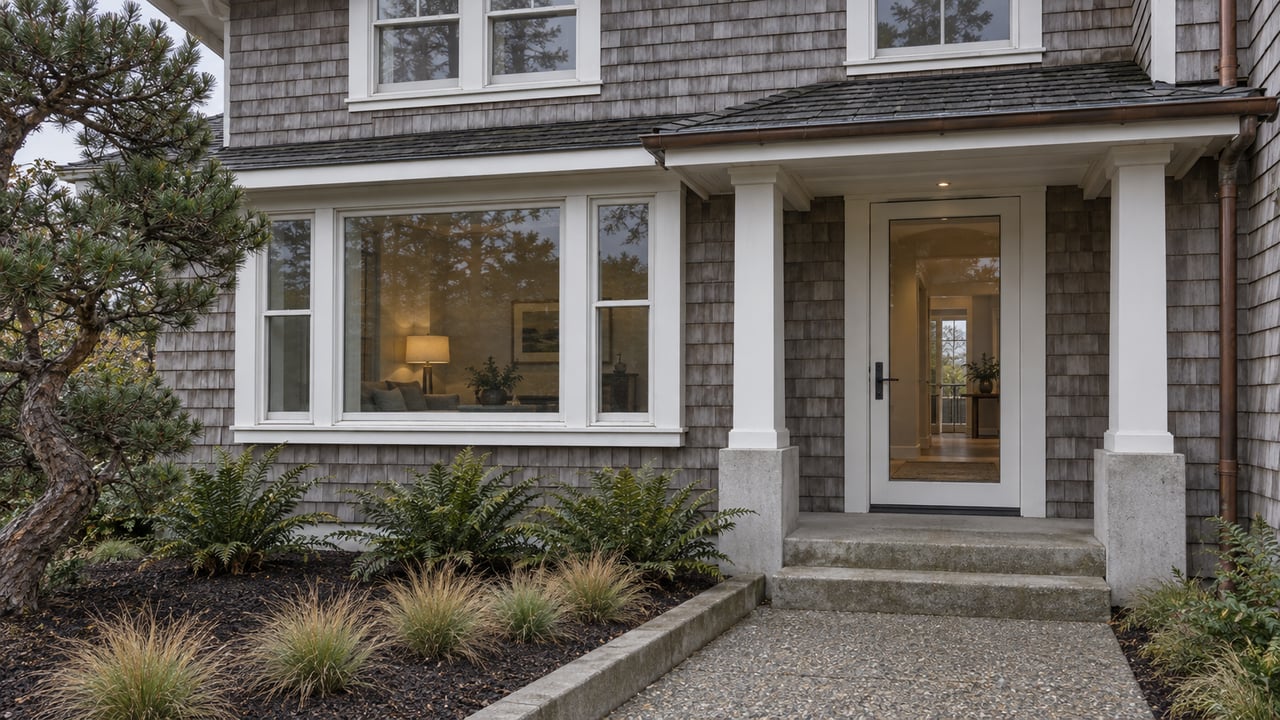
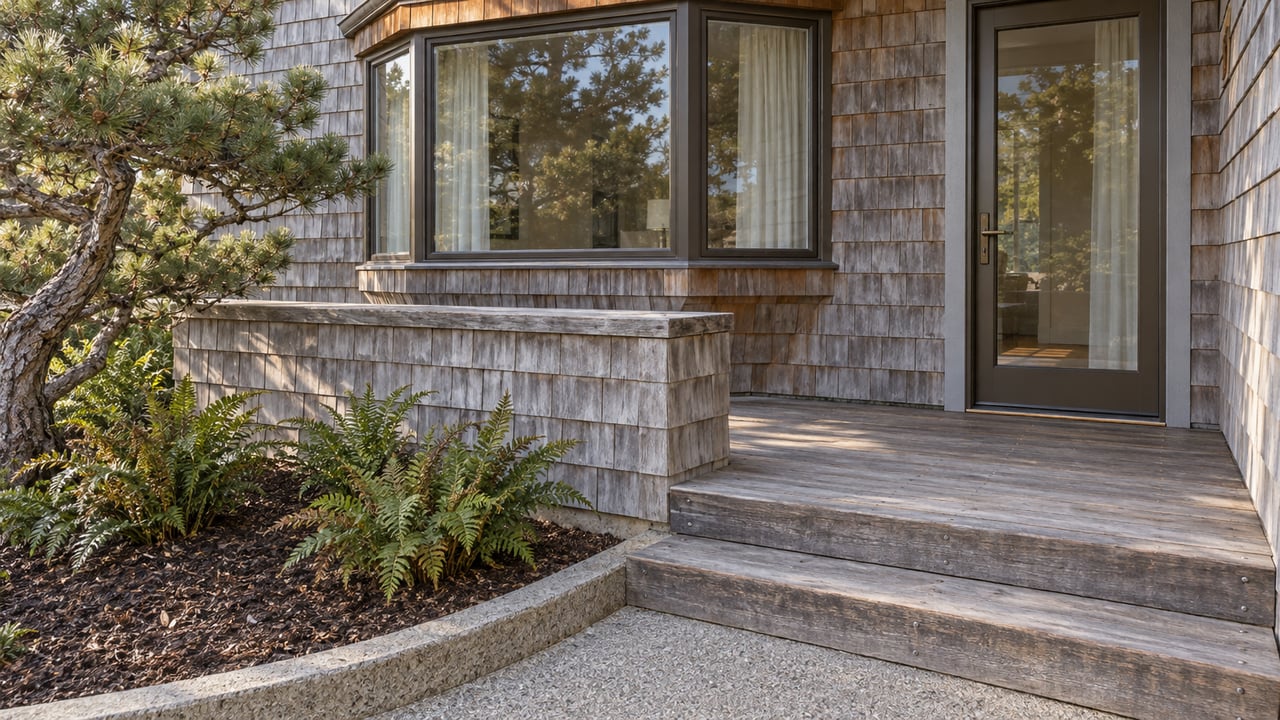
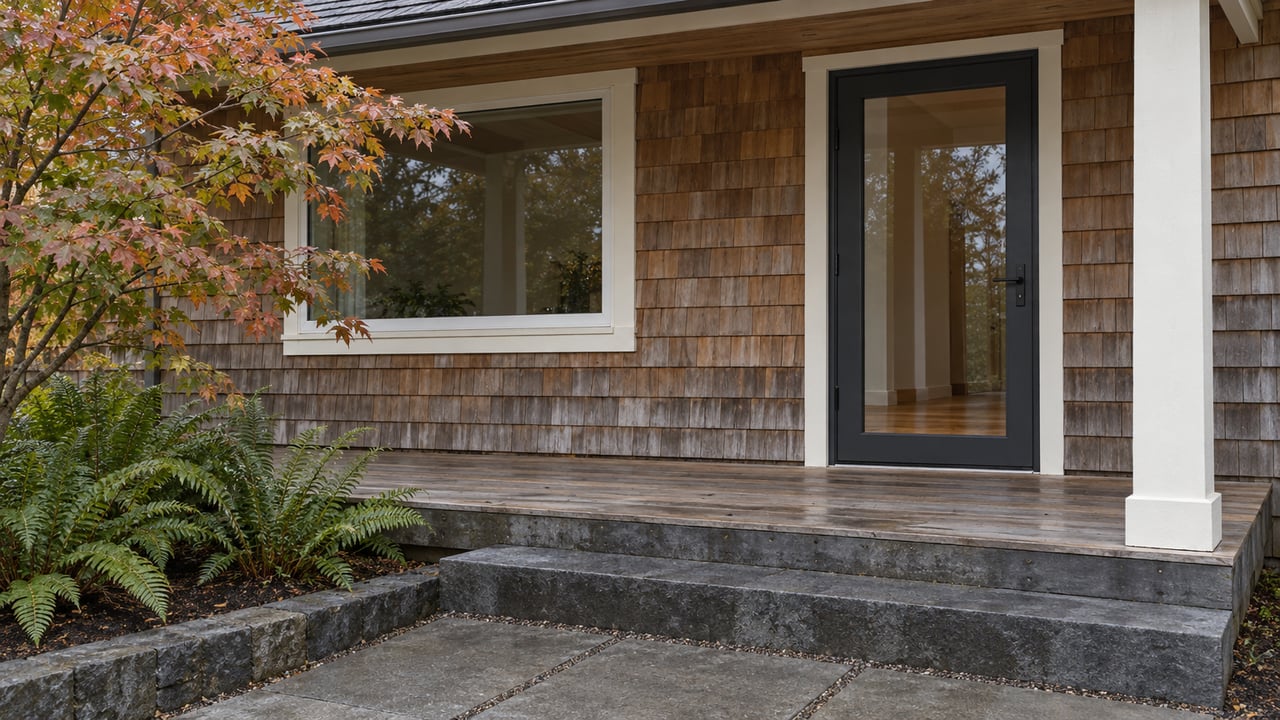

Whether you’re buying or selling along the Oregon Coast, Jenny Frank provides expert guidance, local insight, and personalized service every step of the way.