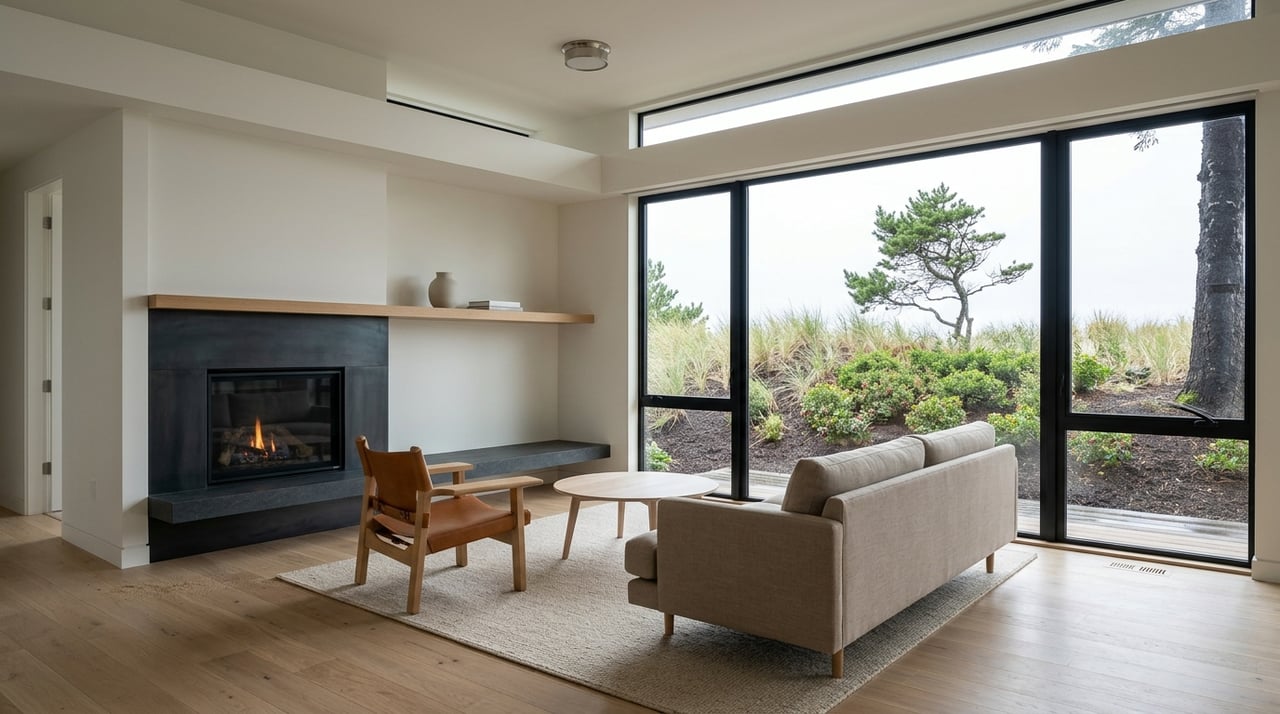
Selling a Home in Gearhart: A Smart Prep Guide
May 21, 2026
May 21, 2026
Selling a home in Gearhart is not quite the same as selling in an inland market. Coastal weather, moisture, and storm exposure can all affect how buyers see your property, both online and in person. If you want to make a strong first impression and reduce surprises once your home hits the market, a thoughtful prep plan can make a real difference. Let’s dive in.
Gearhart is a small market, and recent public data points show a range of pricing and pace depending on the source. Redfin reported a March 2026 median sale price of $551,285 with 31 days on market, Zillow showed a typical home value of $619,987 with 19 homes for sale as of April 30, 2026, and Realtor.com reported a March 2026 median listing price of $895,000 with 51 days on market and homes selling about 2.1% below asking.
Because those numbers measure different things, it is best to treat them as directional, not directly comparable. The bigger takeaway is simple: in a market like Gearhart, preparation matters. Your home’s condition, presentation, and pricing strategy all work together.
On the North Oregon Coast, buyers tend to notice signs of weather wear quickly. Clatsop County identifies coastal erosion, flood, landslide, tsunami, and wildfire as natural hazards, and it notes that winter storms can bring seawater surge, higher wave run-up, strong winds, and heavy rain in low-lying areas.
Regional climate data from NOAA adds even more context. Nearly 90% of annual rainfall in the area falls between early October and mid-May, and the coast typically gets 65 to 90 inches of rain per year. Strong winter storms can also damage trees and power lines.
That means your exterior is not just about curb appeal. It also signals how well the home has been maintained in a demanding coastal environment.
Before photos or showings, walk around your property with fresh eyes. Look for places where weather exposure may have left marks.
Focus on items like:
If buyers see peeling paint, rust, water stains, soft wood, or storm wear, they may start to wonder what else has been overlooked. Small repairs and touch-ups can help your home feel cared for and market-ready.
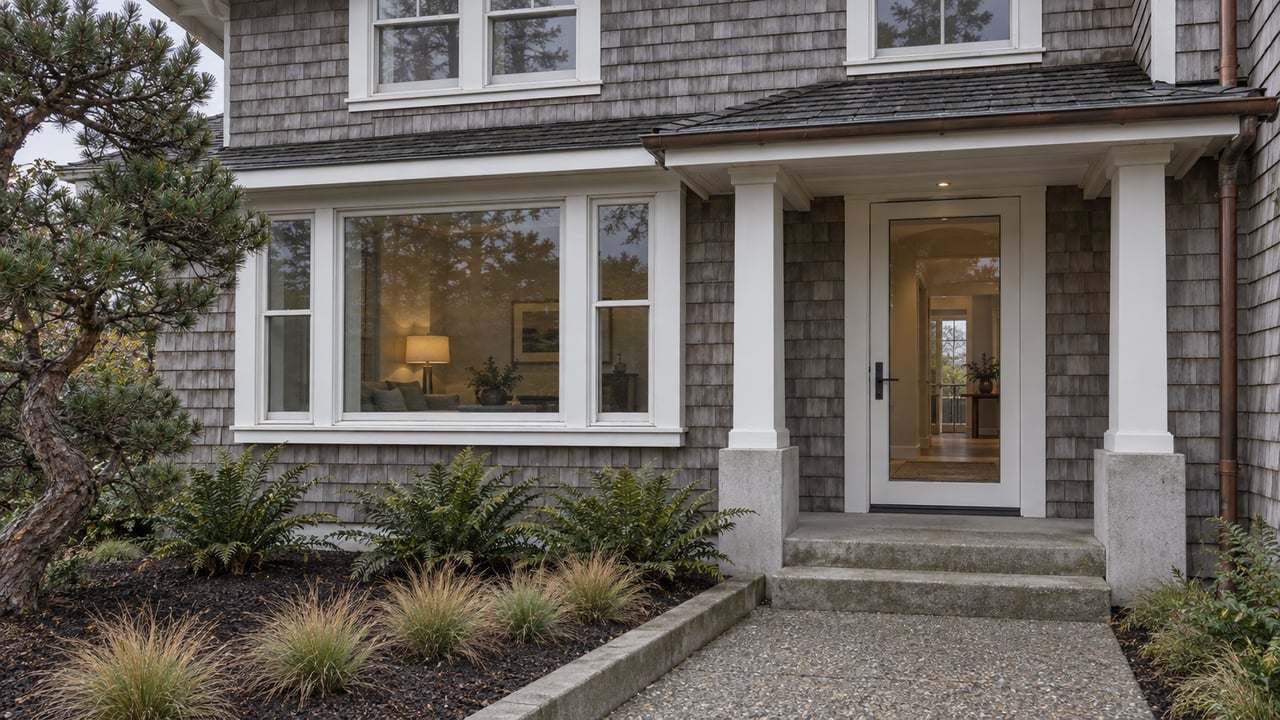
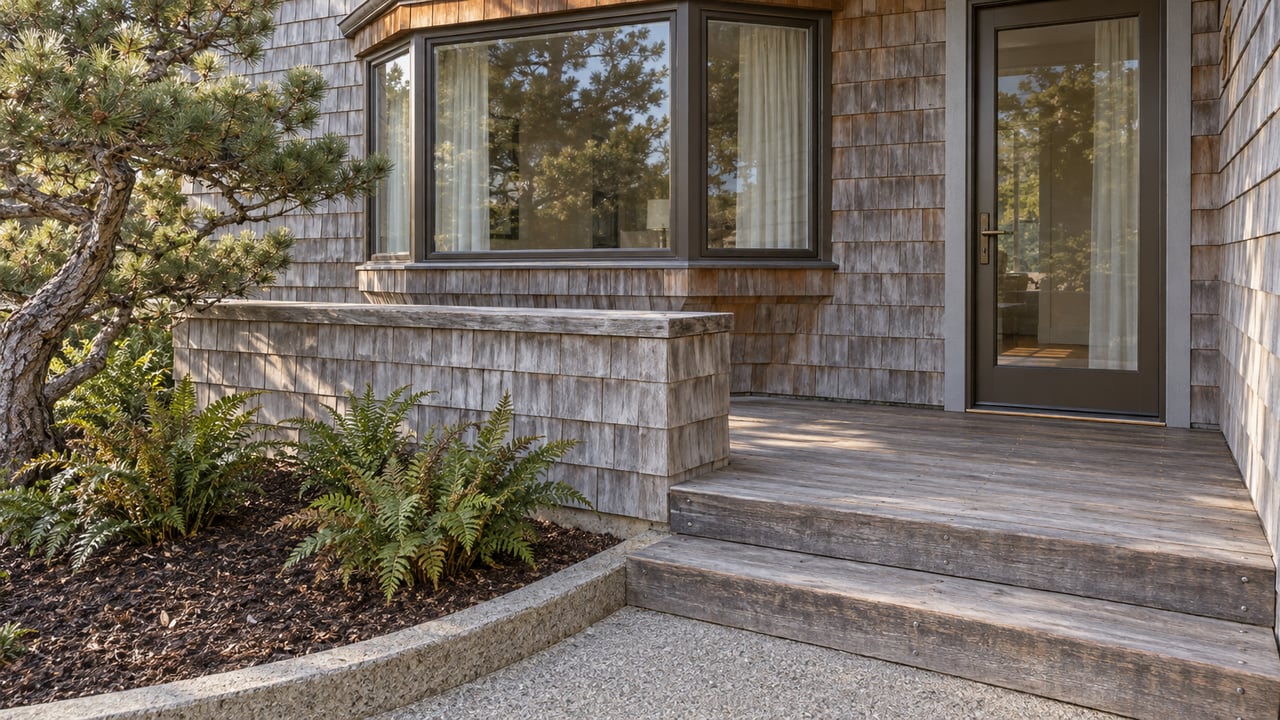
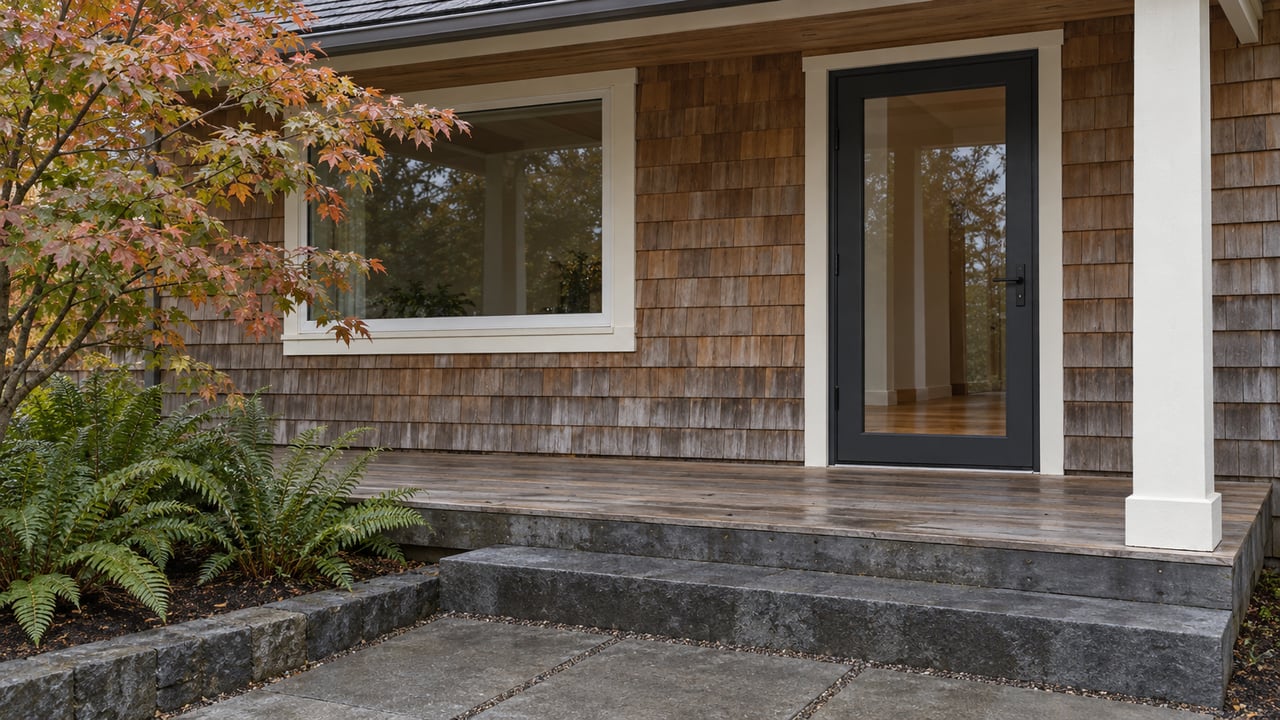
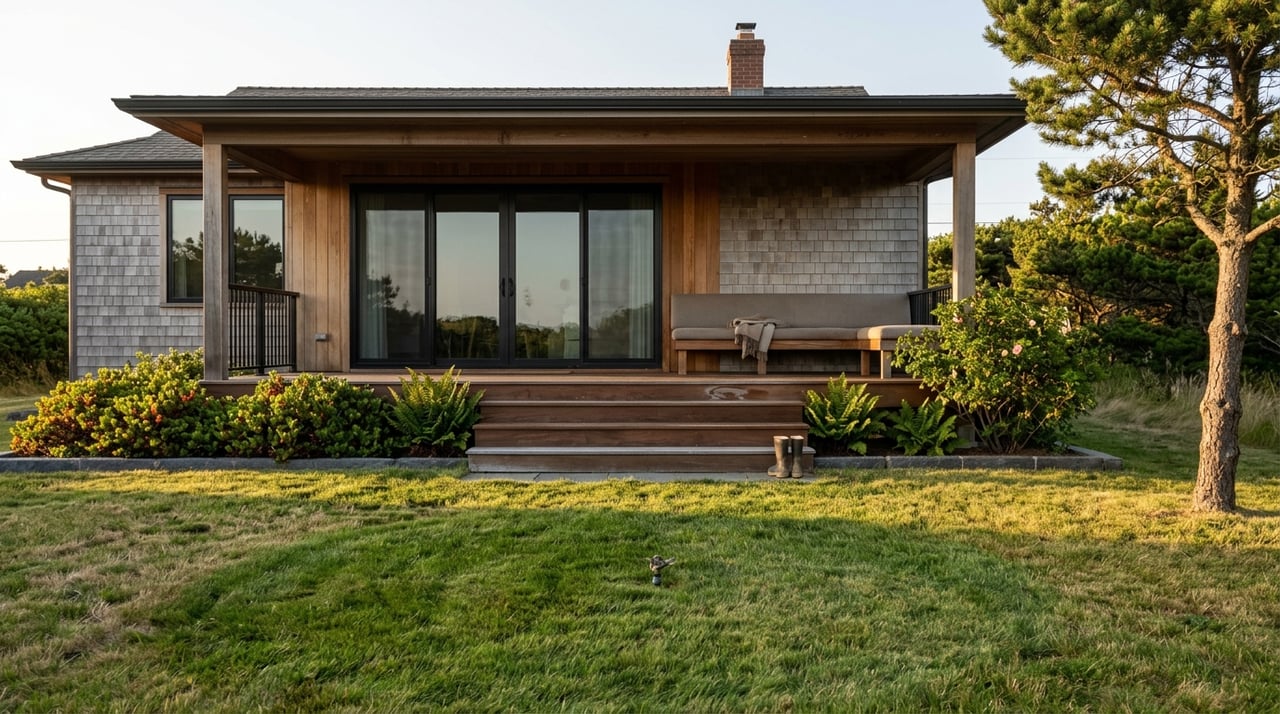
Curb appeal matters in Gearhart, but it does not need to be elaborate. Clean pathways, tidy landscaping, outdoor lighting, porches, patios, and yards all shape a buyer’s first impression.
Keep the approach simple and clean. Sweep hard surfaces, trim back overgrowth, remove dead plants, and make sure outdoor spaces feel safe and easy to use. In a coastal setting, neat exterior spaces can help your home feel lighter, more open, and better maintained.
In a rainy coastal climate, moisture issues can stand out fast. Even minor signs of water intrusion or deferred maintenance can affect buyer confidence.
Before listing, pay attention to any musty smells, stained ceilings, damaged sealant, damp crawlspace concerns, or visible corrosion. If you have repair receipts, inspection reports, or permit records, keep them organized so they are ready if buyers ask.
Not every home needs a major overhaul before sale. Still, it helps to separate repairs into clear categories so you can prioritize your time and budget.
A practical approach is to tackle:
This kind of plan helps you focus on the items most likely to affect showings, negotiations, or buyer comfort.
Staging is especially important in a place like Gearhart, where many buyers may first experience your home through photos or virtual tours. According to the National Association of Realtors 2025 staging report, 83% of buyers’ agents said staging made it easier for buyers to visualize a property as a future home.
The same research found that the living room, primary bedroom, dining room, and kitchen are the rooms staged most often. Buyers’ agents also ranked the living room as the most important space to stage, followed by the primary bedroom and kitchen.
Good staging is not about making your home look overly designed. It is about helping buyers understand the space quickly and positively.
In Gearhart, that often means:
If your home has a deck, patio, or porch, treat that area as part of the showing experience. Arrange outdoor furniture so the space looks usable and welcoming, not crowded or overly decorative.
If you do not want to stage every room, start with the spaces buyers usually care about first. Focus your energy where it will have the greatest visual impact.
Give extra attention to:
For second-home and remote buyers, these spaces often shape the entire first impression. Clean photos and clear room flow can do a lot of heavy lifting before anyone steps through the door.
One of the simplest ways to prepare your home is also one of the most effective. Buyers need enough visual space to picture their own belongings and routines in the home.
Pack away highly personal items, reduce countertop clutter, clear extra furniture, and organize storage areas. Closets, garages, and utility spaces do not need to look empty, but they should look functional and easy to understand.
A coastal home does not need heavy themed decor to feel inviting. In fact, simpler styling often works better.
Aim for a look that feels bright, comfortable, and polished. Fresh linens, clean surfaces, soft color palettes, and a few well-placed accents can help the home feel warm without distracting from its layout or natural setting.
Preparation is not only physical. In Oregon, document readiness is a major part of a smoother sale.
Oregon law requires most sellers to complete, sign, and deliver a Seller’s Property Disclosure Statement to each buyer who makes a written offer. Oregon Real Estate Agency recordkeeping guidance also points to the importance of having proof of ownership or signing authority, building and lot size verification, and zoning, flood-zone, HOA, CC&R, bylaw, and special assessment information when applicable.
The more organized you are before listing, the easier it can be to answer buyer questions and keep the transaction moving.
Try to collect:
Having these materials ready can save time and reduce stress once offers start coming in.
Some homes need a few extra steps. If your property uses a domestic well, Oregon requires testing for arsenic, nitrate, and total coliform bacteria during the transaction, and the required form and results must be sent within 90 days.
If your home was built before 1978, lead-based paint disclosure rules apply. Reviewing these requirements early can help you avoid last-minute scrambling.
If you are not sure where to begin, a simple checklist can keep the process manageable. The goal is to blend standard seller prep with the needs of a coastal market.
A strong Gearhart pre-listing checklist should include:
Taken together, these steps can help your home show better, photograph better, and feel easier for buyers to say yes to.
In Gearhart, selling well usually comes down to more than just putting a sign in the yard. You need pricing, presentation, and marketing to support each other from the start.
That is where local experience can help. A thoughtful plan for coastal maintenance, staging, paperwork, and launch timing can put you in a stronger position and help your sale feel more manageable from day one.
If you’re getting ready to sell your Gearhart home and want calm, practical guidance tailored to the North Oregon Coast, Jenny Frank is here to help.
Stay up to date on the latest real estate trends.

Whether you’re buying or selling along the Oregon Coast, Jenny Frank provides expert guidance, local insight, and personalized service every step of the way.